

Blog / GMC Maintenance

3 Signs Your GMC Needs Maintenance

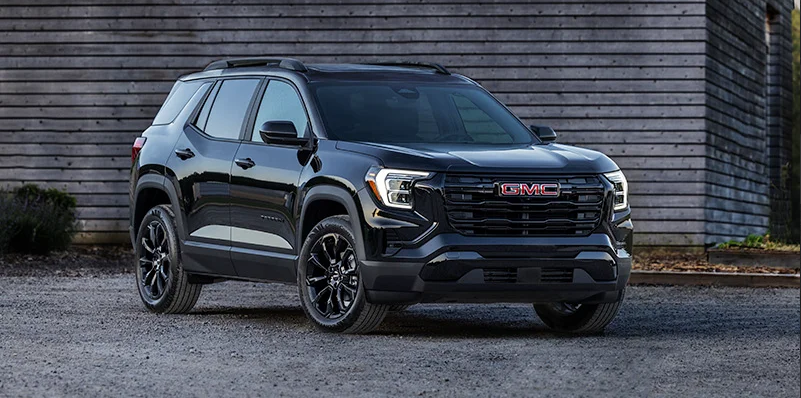
A photo of a 2025 GMC Terrain parked in a parking lot.

Regular maintenance is key to keeping your GMC running at its best. As your trusted GMC dealership, we want to make sure you're aware of the signs that indicate it’s time for vehicle maintenance. Here are three important signs that your GMC may need attention:

1. Gas Smell

You should never smell gasoline around your GMC, except briefly right after filling up at the gas station. The fuel system is designed to be sealed, preventing the escape of vapors that could reduce engine performance or cause safety hazards. If you notice a strong fuel odor, it's important to bring your vehicle to our service department immediately.

This could be a sign of an issue with the fuel cap, the exhaust manifold, or even a rich-running engine. A fuel smell might also indicate a potential fuel vapor leak, which could affect vehicle performance and safety. Our service experts will identify the source and take care of the issue, making sure that the smell disappears and your vehicle runs efficiently.

2. Check Engine Light

Your GMC is equipped with a range of sensors that monitor essential components, sending signals to the vehicle’s computer. If there’s a problem with any of these parts, the system will trigger an error code, and the check engine light will come on to alert you. This could be something minor, like a loose gas cap, or something more serious, like an engine misfire or transmission issue.

A flashing check engine light usually signals a more urgent problem, such as engine misfiring, while a steady light typically indicates a less severe issue but still requires attention. Either way, our technicians will thoroughly inspect and diagnose the problem to ensure your vehicle runs smoothly again.

3. Rattling Noises

If you hear strange rattling noises coming from underneath your GMC, it could be a sign that something is loose. One common cause of these sounds is a broken exhaust hanger, which holds the exhaust system in place. Over time, rust or wear can cause these hangers to break, allowing the exhaust to move and create a rattling noise as it bangs against the underside of your vehicle.

Another culprit could be a damaged catalytic converter, which helps reduce harmful emissions by converting engine gases into less harmful substances. If the converter is damaged, it can overheat, causing internal cracks in its honeycomb structure. This leads to rattling sounds inside the converter that can only be fixed by replacing the unit.

If you’re hearing rattling noises or suspect any other issue, contact us at Marquardt of Barrington GMC. Our skilled technicians will ensure your GMC receives the attention it needs to keep running like new.

Need Maintenance? Visit Marquardt of Barrington GMC

If you've noticed any of these signs, it's time to schedule an appointment with our expert team. At Marquardt of Barrington GMC, we’re dedicated to providing top-notch service to keep your vehicle performing at its best. Whether it’s a simple check-up or a more complex repair, we’re here to help you get back on the road safely and efficiently. Visit us today!
Posted in:

Related Posts

Oil Change in GMC Vehicles

Everything You Need to Know About a GMC Oil Change

If you own a GMC truck or SUV, keeping up with your oil change schedule is one of the simplest and most effective ways to protect your investment. If you're driving a Sierra 1500 through the suburbs or hauling gear in a Yukon, routine oil changes keep your engine running cleanly and efficiently. For drivers in Barrington, IL, staying on top of oil changes can make a real difference in the long-term health of your vehicle. more Read the rest of this entry Why Regular Oil Changes Matter for Your GMC Your engine oil does more than just lubricate moving parts. It helps reduce heat buildup, prevents corrosion, and keeps contaminants from accumulating inside the engine. Over time, oil breaks down and becomes less effective. Skipping or delaying your oil change allows old, degraded oil to circulate through the engine, which can lead to increased wear and, eventually, costly repairs. Routine oil changes for a GMC are a small investment that pays off in a big way. Staying consistent with your service intervals helps protect your engine's longevity and maintains the kind of performance GMC builds into every vehicle. How Often Should You Change the Oil in a GMC? The answer depends on a few factors, including the model you drive, the type of oil your vehicle requires, and your typical driving habits. Many newer GMC vehicles are equipped with an Oil Life Monitoring system, which tracks driving conditions and engine load to let you know when it's actually time for a change — rather than relying on a fixed mileage interval alone. As a general guideline, vehicles using full synthetic oil often go longer between oil changes compared to those using conventional oil. Your owner's manual is the best source for the manufacturer's recommended interval for your specific model and engine configuration. Conventional vs. Synthetic Oil: Which Does Your GMC Need? Not all engine oil is created equal and using the right type is important. Many newer GMC models — including the Sierra 1500, Sierra HD, and Yukon — recommend full synthetic motor oil to help deliver optimal protection across a wide range of temperatures and driving conditions. Conventional oil may be specified for some older or base-trim models, while a synthetic blend can be a middle-ground option in certain cases. When in doubt, refer to your owner's manual or consult with a certified service technician who is familiar with your vehicle's requirements. Using the correct oil viscosity and specification ensures your engine stays properly protected between routine oil changes for your GMC. What to Expect During a Professional Oil Change Service When you bring your GMC in for an oil change, the process typically involves draining the old engine oil, replacing the oil filter, and refilling the engine with fresh oil that meets your vehicle's specifications. A technician will usually inspect the oil drain plug and filter housing for any signs of leakage as well. Many service visits also include a multi-point inspection, which can flag other items that may need attention — things like tire pressure, fluid levels, or brake condition. This is a convenient way to stay ahead of potential issues while you're already in for your oil change service. Signs It Might Be Time for an Oil Change Your GMC's Oil Life Monitoring system will alert you when a service is due, but there are other signs worth paying attention to between reminders. Dark or gritty-looking oil on the dipstick, a slight burning smell coming from the engine bay, or a louder-than-usual engine note can all indicate that your oil is past due for a change. If you notice the oil pressure warning light on your dashboard, don’t ignore it, have your vehicle inspected as soon as possible. Routine oil changes for a GMC help prevent these warning signs from becoming serious problems in the first place. Schedule Your GMC Oil Change at Marquardt of Barrington A routine oil change is one of the best things you can do for your GMC. It protects the engine and helps maintain performance. Don't wait for a warning light to remind you — staying proactive with your oil change schedule is the smartest approach for any GMC owner. Visit Marquardt of Barrington to get started or schedule your next service appointment online at marquardtgmc.com.

Oil change for GMC in Barrington, IL

Why Regular Oil Changes Are Crucial for Your GMC in Barrington, IL

Maintaining the performance of a GMC vehicle starts with 1 regular oil change. For drivers at Marquardt of Barrington in Barrington, IL, this routine maintenance ensures the engine runs correctly. Staying current on this service helps a vehicle remain reliable for many years. Fresh oil is a primary requirement for the long-term health of an engine. more Read the rest of this entry The Role of Oil in Your GMC Engine Oil acts as a lubricant for the engine of a GMC. It ensures that moving parts do not create too much friction or wear. Over time, engine oil loses its ability to protect the engine from heat. Regular oil changes help maintain lubrication and keep the engine clean. If a person drives a GMC Sierra with a 5.3 L V8 or a GMC Acadia with a 2.5 L 4-cylinder, fresh oil is necessary for efficiency. GMC Sierra Features and Trims The GMC Sierra 1500 is available in several trims, including the Pro, SLE, SLT, AT4, and Denali. A common engine option is the 5.3 L V8 engine, which delivers 355 hp and 383 lb-ft of torque. Higher trims often come with 22" wheels and a 13.4" diagonal touch screen display. Regular oil changes are necessary to keep these components working properly. Benefits of Regular Oil Changes for GMC Vehicles Scheduling consistent oil changes offers 4 primary benefits for a GMC. Clean oil allows the engine to operate at a high level of efficiency. This helps the vehicle deliver the power that a driver expects. Fresh oil also helps a GMC achieve better fuel economy because the engine does not have to work as hard. Routine oil changes prevent the buildup of deposits, which can extend the life of the vehicle. Many GMC warranties require this maintenance to remain valid. How Often Should You Get an Oil Change? The frequency of oil changes depends on the vehicle model and driving habits. Modern GMC vehicles often have an Oil Life Monitoring System that provides an alert when service is needed. Synthetic oil usually lasts longer than conventional oil. This allows for more time between service appointments. Owners should check the manual or talk to a technician at Marquardt of Barrington for specific details. Trust Marquardt of Barrington for Your Oil Change Needs When a driver needs an oil change in Barrington, IL, Marquardt of Barrington provides service for GMC vehicles. Certified technicians use approved oils and filters to ensure the engine is protected. The staff also performs a multi-point inspection to find potential issues. This helps avoid expensive repairs in the future. Conclusion Regular oil changes are a necessary part of vehicle ownership. For drivers in Barrington, IL, this maintenance protects the engine and helps the vehicle last longer. Marquardt of Barrington in Barrington, IL offers expert care to keep your GMC in good condition. Contact Marquardt of Barrington today to schedule your next service appointment.

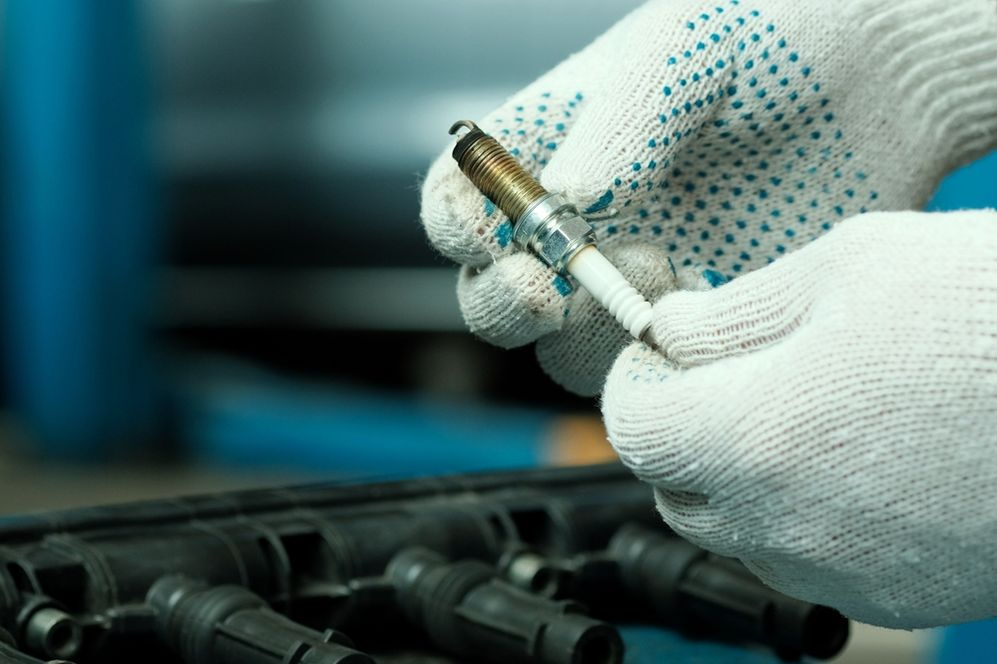
A photo of a mechanic holding a spark plug.

6 Signs Your GMC Needs New Spark Plugs

If the usual clean, confident rumble of your GMC's engine isn't so smooth one day, your spark plugs could be misfiring. If you don't promptly visit your local GMC dealership for new spark plugs, the misfiring will lead to further problems. Look out for these symptoms of bad plugs. more Sluggish Acceleration A misfire is when a fouled or failing spark plug misses a beat and doesn't ignite the fuel-air mixture when it's supposed to. In that moment, the engine loses a fraction of its ordinary power. The worse the misfiring gets, the weaker your engine and acceleration will become. Coughing, Shaking Engine Spark plugs can misfire for many different reasons. The spark might be weakened by a faulty ignition coil or battery. A clogged air filter or catalytic converter could be restricting the airflow, throwing off the fuel-air mixture, and leading to sooty residue on the spark plugs. Most commonly, a misfiring spark plug is simply worn out. Whatever the reason, misfiring will cause your engine to cough and sputter, showing clear signs of struggle, and your truck or SUV will shudder and vibrate. Rough Idling and Stalls Weakening spark plugs cause misfires more when the engine is strained. This happens at higher speeds, when towing or hauling heavy loads, and also when idling. With bad plugs, your engine will roughen and vibrate more when you pause at stop lights or in traffic. Your truck or SUV might also suddenly stall. Slower Engine Starts Even with a good starter, reliable engine starts require healthy spark plugs as well. If any of your plugs are weakened by carbon deposits or age, the engine may become hesitant to turn over in the morning. Falling Fuel Efficiency Cylinders with misfiring spark plugs are no longer burning fuel as effectively. This means a portion of the fuel is wasted, reducing your vehicle's overall gas mileage, and you'll notice your fuel gauge declining more rapidly than usual. Black Smoke Behind You As bad spark plugs fail to ignite all the fuel, the unburned gas collects inside the combustion chambers. This fouls the spark plugs, worsening the problem. The excess fuel may also escape into the exhaust pipes, wherein it can partially ignite, turning to smoke that pours out of the tailpipe. Have Your Spark Plugs Checked at Your GMC Dealership If you're experiencing any of these symptoms, have your spark plugs inspected immediately. It's best to have your engine tuned and your spark plugs checked at least once a year. This allows us to identify problems early on and replace worn-out plugs before they cause harm to the vehicle's engine or catalytic converter. Visit Marquardt of Barrington GMC in Barrington, IL, today to have your spark plugs cleaned or replaced. We've been keeping the engines of our customers' trucks and SUVs running smoothly and powerfully for over 75 years.